Buying
How to read a car window sticker (the Monroney label)
Every new car sold in the U.S. carries a window sticker required by a 1958 law. What each part means, and why it is one of the best tools for checking a car’s exact spec.
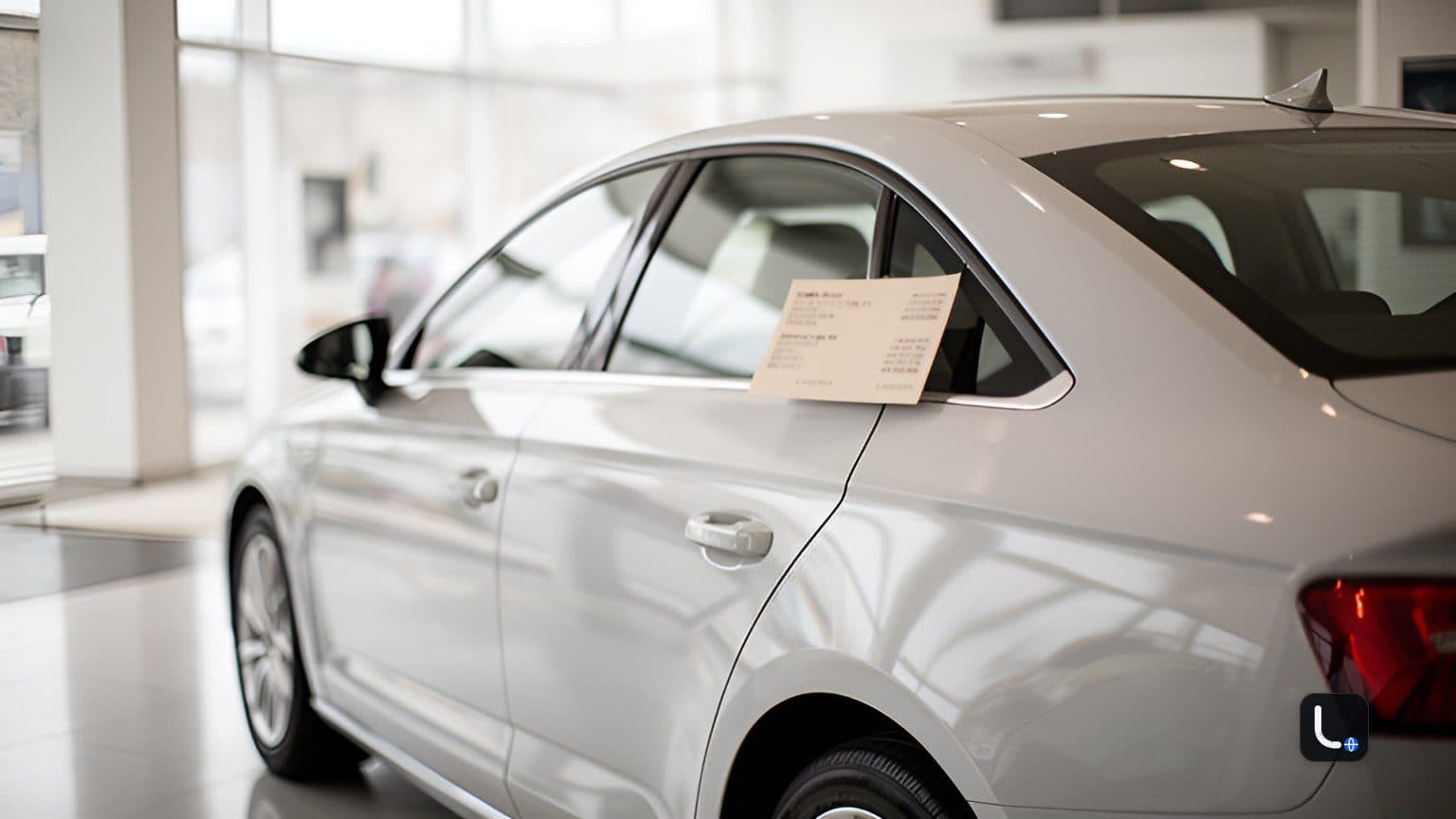
Walk past any new car on a U.S. dealer lot and you’ll see a long paper label on the window. It is called the Monroney label, and it is one of the most useful documents in the car business. Here is what it shows and how to read it.
Where it comes from
The sticker is required by the Automobile Information Disclosure Act of 1958, sponsored by Senator Mike Monroney of Oklahoma after a Senate investigation into dealers hiding a car’s true price. It took effect on January 1, 1959, and covers passenger vehicles with a gross vehicle weight rating of 8,500 pounds or less (Wikipedia).
The law is serious about it. Anyone who willfully removes, alters or makes the label unreadable before the car is delivered to its buyer can be fined up to $1,000 per vehicle, jailed for up to a year, or both (15 U.S.C. § 1233).
1. The car and its price
By law the label must show the make, model and VIN (the vehicle identification number), the final assembly point, the dealer it was delivered to, the manufacturer’s suggested retail price (MSRP), the price of each factory option, the transportation charge to the dealer, and the total (15 U.S.C. § 1232).
This is the part that matters most when you are buying a specific car. The option list tells you exactly what the factory built: trim, engine, packages and paint. Two cars with the same model name can be very different underneath.
2. Safety ratings
The label must also show crash-test ratings from the government’s New Car Assessment Program, run by NHTSA. If a model has not been rated, the label has to say so (15 U.S.C. § 1232).
3. Fuel economy and environment
The EPA’s fuel economy section is the colorful box on the sticker. According to fueleconomy.gov, it includes:
- Combined MPG, the headline number, weighted 55% city and 45% highway, with separate city and highway figures beside it.
- Fuel consumption per 100 miles, which compares energy use more accurately than MPG.
- An estimated annual fuel cost, based on 15,000 miles a year.
- How much you would save or spend on fuel over five years compared with the average new vehicle.
- A fuel economy and greenhouse gas rating, and a smog rating, each from 1 to 10, where 10 is best.
- A QR code that links to more details on fueleconomy.gov.
4. Where the parts come from
A separate parts content label, often printed as part of the window sticker, is required by the American Automobile Labeling Act. It shows the percentage of U.S. and Canadian parts, up to two other countries that each supply 15% or more of the parts, the final assembly point, and the countries the engine and transmission come from (NHTSA).
With tariffs now a big part of the car business, this section gets more attention than it used to.
Why buyers ask for it
For a dealer or wholesale buyer abroad, the window sticker is the quickest proof that a car is the exact spec you ordered, with the options you are paying for. For used cars the original sticker is often gone, so a build sheet, which lists how the car left the factory, does the same job.
That is why every car we offer comes with its VIN, and with the window sticker or build sheet whenever one is available. You see exactly what you are buying before you pay.